


From local action to regional impact: Tackling ocean-bound plastic in the Baltic Sea
As a partner in the Circular Ocean-bound Plastic (COP) project, Ocean Plastic Forum has spent the past three years working alongside organisations from Denmark, Germany, Poland, and Sweden to better understand how we can prevent plastic from reaching the Baltic Sea and create value from the plastic that is already being collected.
Through pilot actions in Aarhus, Rostock, and Gdańsk, the project has tested innovative collection methods, explored recycling opportunities, and generated new knowledge about how ocean-bound plastic can be managed more effectively. One of the key lessons has been that while plastic pollution is a shared challenge, local conditions differ significantly. Different waterways, waste streams, and stakeholder landscapes require different approaches.
At the same time, the project has shown the value of cross-border collaboration. By sharing experiences, data, and practical insights across countries, partners have been able to learn from each other’s successes and challenges, helping to accelerate the development of solutions that can be applied throughout the Baltic Sea region and beyond.
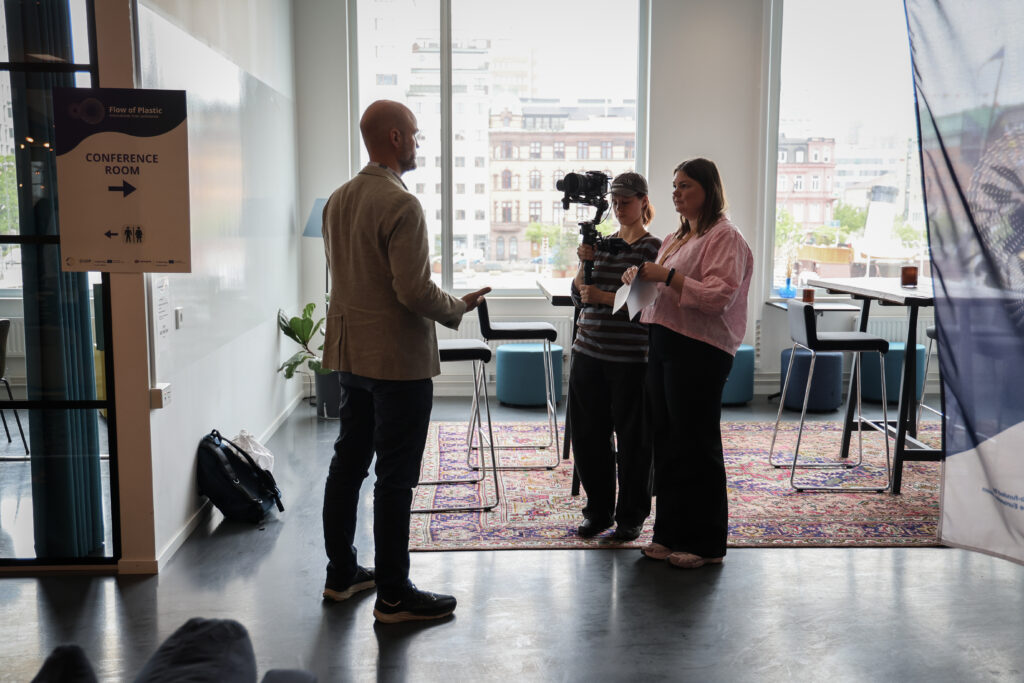
As Mirco Haseler from the Leibniz Institute for Baltic Sea Research explains in the video:
“It is not just about collecting the litter. It is about the sources, finding out how can we collect it in the best way? How can we monitor it? What can we do with the collected litter? And also how can we actually avoid litter entering into the sea?”
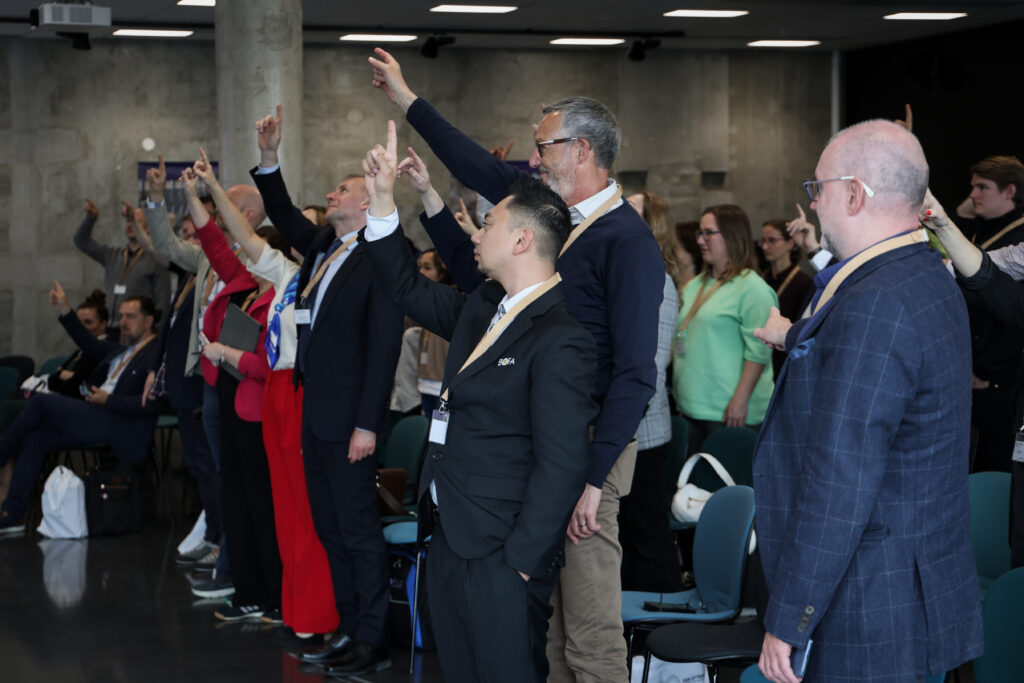
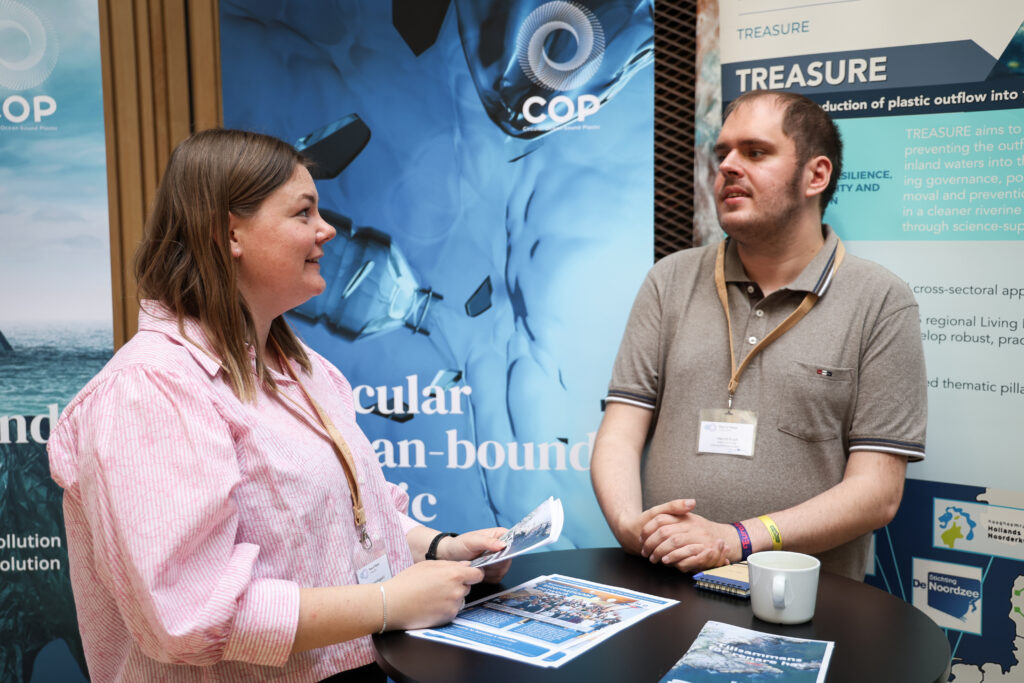
Together, the COP partners have collected more than 37,000 pieces of litter from rivers, tested six pilot actions, published eight reports, and engaged stakeholders through workshops, conferences, webinars, and matchmaking events. Beyond these tangible results, the project has strengthened networks between public authorities, researchers, businesses, and environmental organisations working towards a common goal.
One particularly important focus has been the transition from waste to resource. By investigating the recycling properties of river-collected plastic and collaborating with innovative solution providers, the project has explored how collected materials can be transformed into valuable products and contribute to a more circular economy.
As the COP project concludes, Ocean Plastic Forum is proud to have contributed to this international effort and to continue building on the knowledge, partnerships, and experiences developed through the collaboration. The challenge of ocean-bound plastic remains significant, but projects like COP demonstrate that meaningful progress is possible when organisations work together across sectors and borders.
Watch the video above to hear reflections from project partners, stakeholders, and experts on the lessons learned and the opportunities ahead for reducing ocean-bound plastic in the Baltic Sea region.
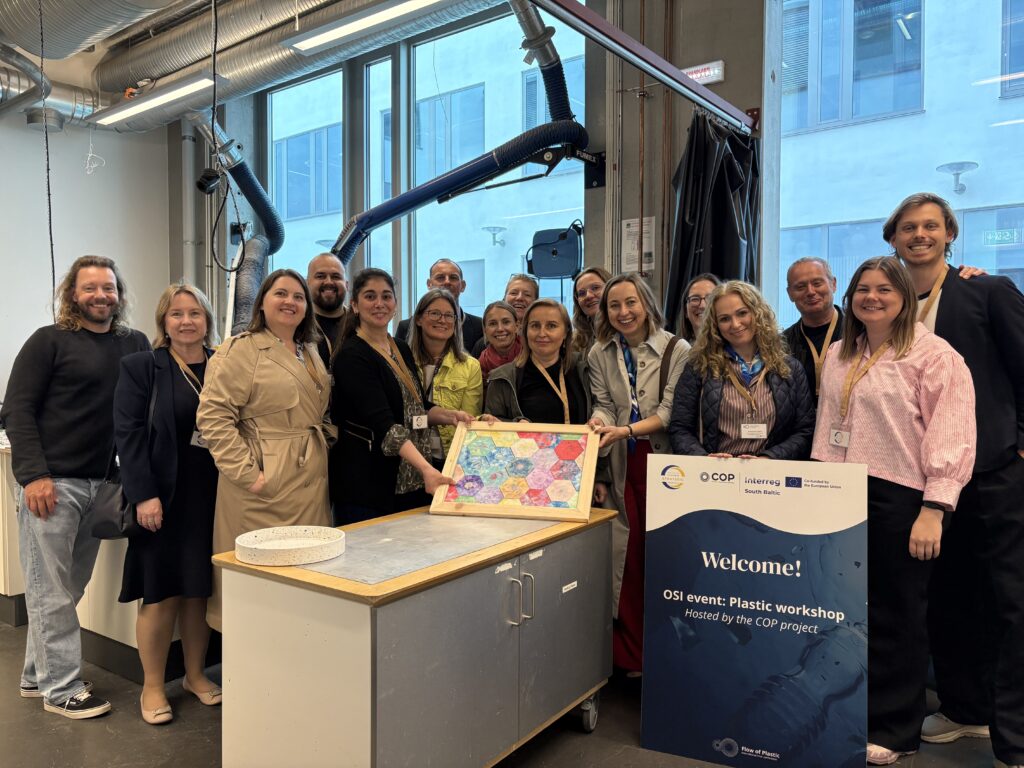
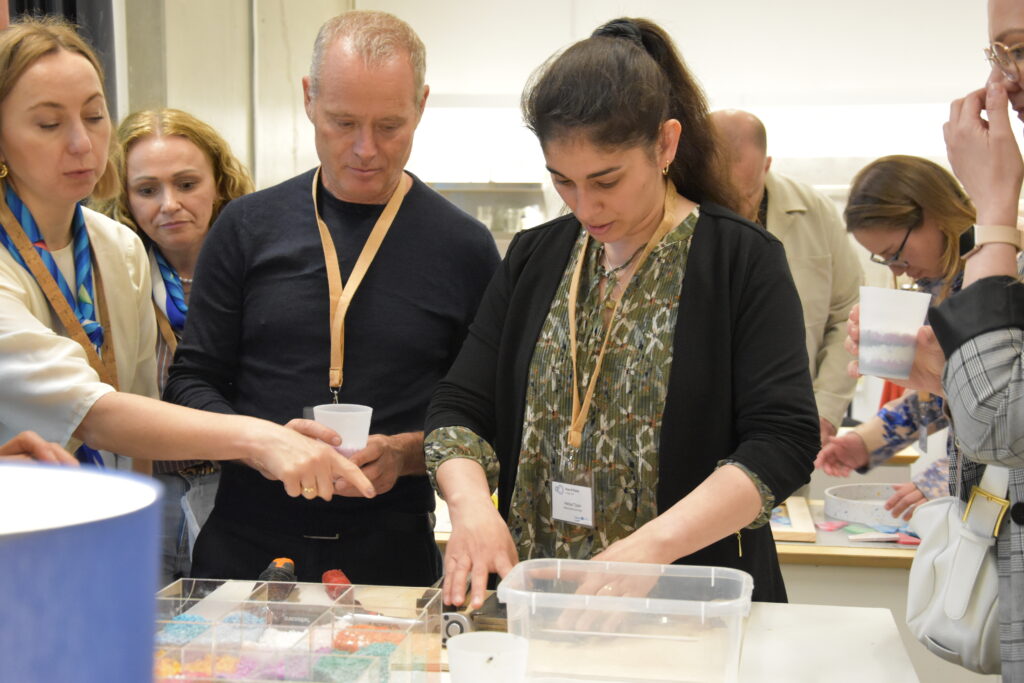
Partners in the COP project:
- Clean, The Danish Water and Environment Cluster (Project Lead) (DK)
- Ocean Plastic Forum (DK)
- The Foundation Plast Center Denmark (DK)
- Danish Materials Network, facilitated by The Foundation Plast Center Denmark (DK)
- Sustainable Business Hub (SE)
- Leibniz Institute for Baltic Sea Research (DE)
- University of Rostock (DE)
- University of Gdansk (PL)
- Gdansk Water Foundation (PL)
- City of Gdansk – Gdansk Sports Center (PL)
The COP project is co-funded by the Interreg South Baltic programme 2021-2027 through funds from the European Regional Development Fund.